
Let’s be real for a second, most businesses have a communication problem.
Your marketing team’s busy chasing leads. Your sales team’s complaining about “bad” ones. And your service team? They’re left to clean up the mess when no one tells them what was promised. It’s like running three different races on the same track, but no one’s passing the baton.
Here’s the twist: the problem isn’t your people. It’s your systems.
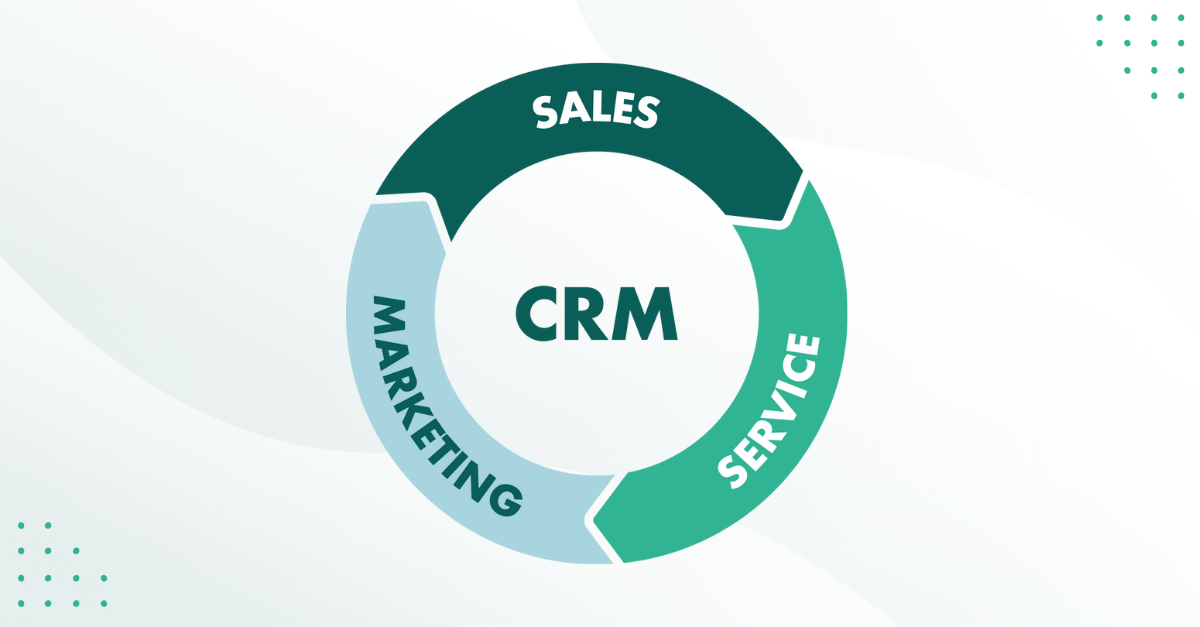
The smart fix? One CRM that aligns everyone, marketing, sales, and service, around the same customer story. And for growing New Zealand businesses, that’s often where HubSpot pipelines and a HubSpot development agency come into play.
The Disconnect: Why Teams Drift Apart
You’ve probably seen it firsthand. Marketing tracks clicks, sales tracks deals, and service tracks tickets, all using different tools. The result? Disconnected data and frustrated teams.
Here’s how it usually looks:
- Marketing generates leads, but sales can’t see which campaigns worked.
- Sales close deals, but service doesn’t know what was agreed.
- Service solves problems, but marketing never gets the feedback loop.
Sound familiar?
Now imagine if all three departments used the same CRM, shared the same data, and worked within one clean HubSpot pipeline. That’s when alignment becomes more than a buzzword, it becomes a business advantage.
The HubSpot Pipeline: Where Alignment Begins
If your business were a movie, the HubSpot pipeline would be the main storyline, the thread that ties every scene together.
A pipeline isn’t just for sales. It’s a visual, customisable workflow that maps the entire customer journey, from the first website visit to loyal repeat purchase. And the beauty is, it’s not static, you can adapt it to your business model.
It’s like giving every team a shared map so no one gets lost between “We’re interested” and “We’re loyal customers.”
The Secret Ingredient: Smart Customisation
Out of the box, HubSpot is powerful. But customised by the right hands, it’s transformational.
That’s where a HubSpot development agency comes in. These specialists don’t just install tools, they bridge your strategy and systems so your CRM fits your workflow, not the other way around.
They can:
- Customise your HubSpot pipeline to match your exact sales or service stages.
- Connect HubSpot with tools like Xero, Shopify, or Slack using APIs.
- Automate handoffs between departments, so nothing slips through the cracks.
- Build dashboards that show the full journey, from lead to customer advocacy.
In other words, they make your CRM feel like it was built just for your business.
(Insert image: HubSpot developer coding API integration between CRM and external apps)
The Alignment Formula: People + Process + Platform
Aligning your teams isn’t just a tech project. It’s a cultural shift.
When done right, it looks like this:
- People – Your teams understand their roles in the customer journey.
- Process – Each department works within a defined, automated workflow.
- Platform – HubSpot becomes the shared space where data, context, and communication meet.
And when all three click together, your business runs smoother. Conversations become proactive instead of reactive. Teams collaborate instead of collide.
It’s the difference between a jazz band improvising together, and three musicians playing in different rooms.
The Kiwi Context: Why This Matters in New Zealand
New Zealand businesses thrive on relationships. Whether you’re a retail brand in Wellington or a services firm in Christchurch, customer experience is everything.
But here’s the catch, customers don’t see “departments.” They see one brand.
So, when your marketing message says one thing, your sales rep says another, and your support team doesn’t know the backstory, it erodes trust. Aligning everyone around a single CRM ensures consistency at every touchpoint, from the first click to the follow-up call.
And for small to mid-sized Kiwi companies, HubSpot makes that alignment accessible. You don’t need enterprise-level budgets. You just need the right setup, ideally from a HubSpot development agency that understands your industry and market nuances.
FAQs About Aligning Teams with One CRM
Q1. What is a HubSpot pipeline and how does it help my business?
A HubSpot pipeline is a visual way to track every stage of your sales or service process. It helps you manage deals, track performance, and coordinate across departments.
Q2. Can HubSpot be customised for my industry?
Absolutely. A HubSpot development agency can tailor workflows, automations, and integrations to fit your exact business model, whether you’re in retail, property, or consulting.
Q3. Will my team need training to use HubSpot effectively?
Yes, but it’s intuitive. Most teams adapt quickly with hands-on training. Many agencies also provide customised onboarding to get everyone aligned.
Q4. How does HubSpot align marketing, sales, and service?
HubSpot uses a single customer record across all modules. Marketing knows which campaigns drive revenue, sales have full context, and service sees the full history of every customer.
The Real Impact: Beyond Just Efficiency
When your teams align around one CRM, the benefits go beyond saving time. You create a unified customer experience.
- Marketing sends the right message.
- Sales closes with confidence.
- Service delivers with context.
It’s not about working harder, it’s about working together. And when that happens, growth becomes predictable, not accidental.
That’s the true power of an integrated HubSpot pipeline, it connects not just data, but people and purpose.
Conclusion: The Smart Way Forward
The smartest businesses aren’t just using a CRM. They’re using it as a bridge between strategy and execution.
When marketing, sales, and service all live inside one HubSpot pipeline, your business moves as one, faster, smoother, and more profitably.
So, if your teams are still working in silos, maybe it’s time to give them a common home. Partner with a HubSpot development agency, tailor your CRM to fit your flow, and watch what happens when alignment becomes your competitive edge.
Because in the end, the real magic isn’t in the software. It’s in how you use it, together.