
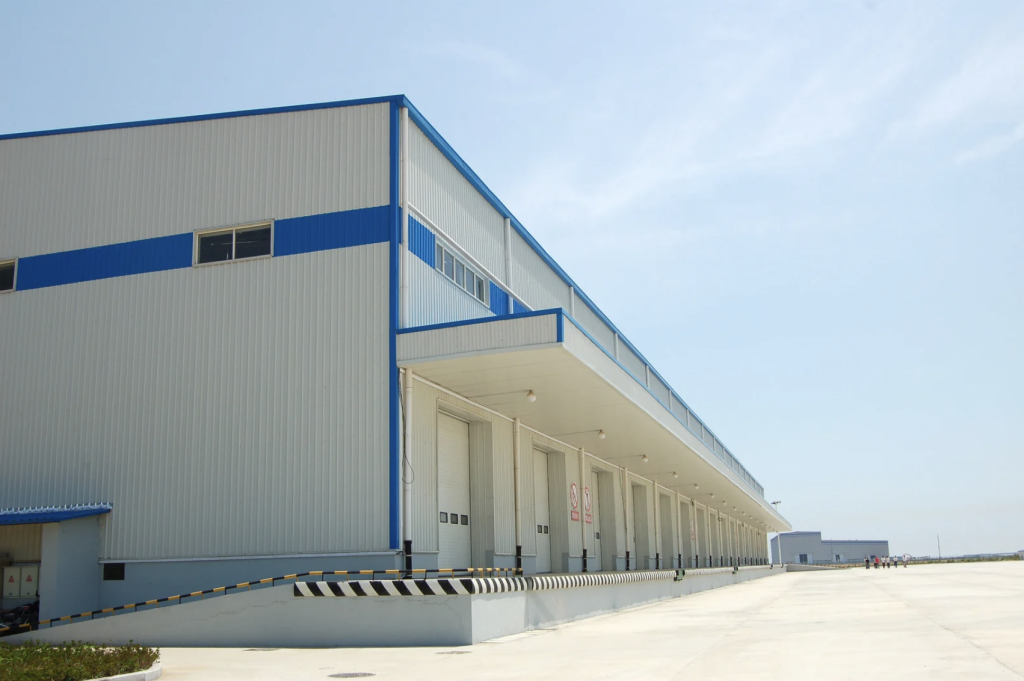
Los Angeles sits at the center of one of the busiest logistics corridors in the entire country, and warehouses across the region are under constant pressure to move product quickly while making the most of every square foot available. Businesses researching pallet racking Los Angeles providers offer quickly learn that local expertise matters here in ways that generic national suppliers often cannot match, particularly when it comes to permitting and regional building requirements.
Seismic considerations set this region apart from most other parts of the country, and they cannot be treated as an afterthought. California has specific building codes addressing how racking systems must be anchored and braced to withstand seismic activity, and a supplier unfamiliar with these local requirements can end up installing a system that technically works but fails to meet the standards local inspectors are looking for. Technical seismic bracing resources maintained by material handling industry groups are something any serious installer in this region should be familiar with.
Real estate costs in Los Angeles push most warehouses toward maximizing vertical storage rather than expanding their footprint, since additional square footage in this market comes at a steep premium. Taller racking systems paired with narrow aisle configurations let businesses store considerably more inventory within the same building, though this approach requires more precise installation and often calls for specialized equipment to safely reach the upper levels during both stocking and retrieval.
Permitting adds another layer that out-of-area suppliers sometimes underestimate, since local jurisdictions in the greater Los Angeles area often require engineering approval before a racking system can be installed or significantly modified. National structural steel standards provide the technical specifications that engineers reference when reviewing these permit applications, and working with a local supplier who understands this process tends to save weeks of delay.
Traffic and logistics timing also shape how installation projects get scheduled in this part of the state, since delivery windows and loading dock access can be tightly constrained during peak hours. A supplier with real experience in the local market usually plans around these realities rather than learning them the hard way partway through a project, which keeps installations on schedule and avoids costly delays.
Warehouses in Los Angeles face a unique combination of seismic requirements, sky-high real estate costs, and dense regional logistics, all of which make local knowledge genuinely valuable rather than a nice extra. Partnering with a racking provider who understands these regional pressures firsthand tends to produce a system that not only passes inspection but actually holds up to the demands of one of the busiest markets in the country. Taking the time to choose a provider familiar with this specific market often saves businesses from costly rework down the road, since fixing a poorly planned system after installation is always far more disruptive than getting it right the first time.