
A brand’s identity is shaped by more than its logo, packaging, or product names. In the vaping market, consumers also pay attention to product variety, labeling, presentation, and the information available about ingredients and manufacturing. These details influence how people perceive a company and whether its messaging feels credible. Understanding a brand requires separating its visual personality from verifiable product information. With a closer look at branding and transparency, adult consumers can assess product descriptions more thoughtfully and responsibly.
What Shapes a Brand’s Identity in the Vaping Market?
Brand identity includes the visual, verbal, and product-related elements a business uses to present itself. Packaging, naming conventions, website design, and product categories all contribute to the impression a company creates.
When evaluating the fvkd exotics company, it is useful to consider how these elements work together without assuming that branding alone establishes product quality.
Several factors influence brand identity:
- Visual presentation: Colors, typography, packaging, and product imagery help establish recognition.
- Product organization: Collections and categories make it easier to understand how products are grouped.
- Naming conventions: Distinctive names help differentiate products but do not independently confirm their composition.
- Product information: Labels and supporting documentation help consumers assess what is actually being offered.
- Communication style: Clear, consistent explanations can make product information easier to understand.
A strong visual identity may attract attention, but credible information gives consumers a more meaningful basis for evaluating a brand.
Product Variety and Consumer Expectations
Product variety is another element that can influence how consumers perceive a vaping brand. Different formats may appeal to different preferences, but each format also brings its own practical considerations.
A collection might include disposable devices, concentrates, or other cannabis-derived products, depending on the company’s current offerings and applicable regulations. These formats should not be treated as interchangeable because their ingredients, intended uses, and handling requirements can differ.
Understanding Disposable Products
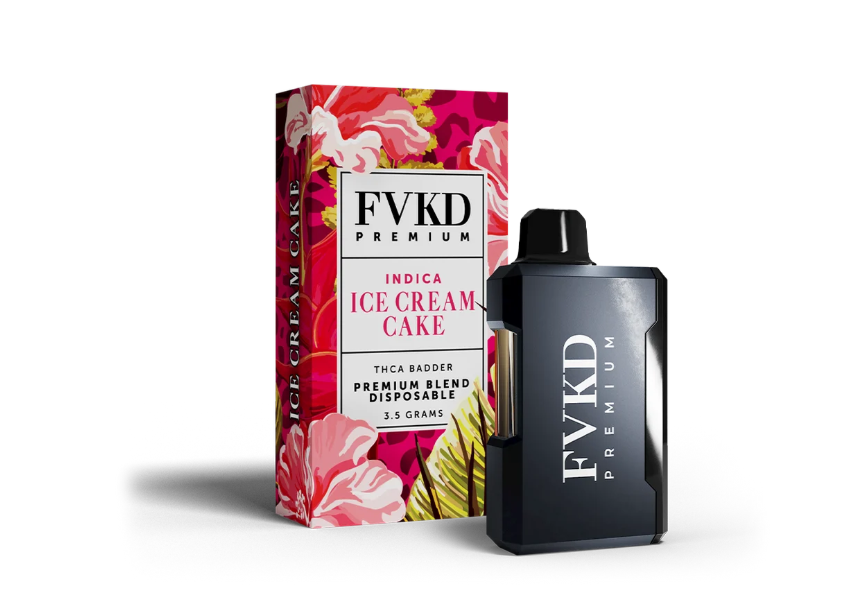
A fvkd premium disposable is an example of a product category that consumers may evaluate according to its format, labeling, and device specifications. However, the word premium is a marketing descriptor, not a universal certification of safety or quality.
Before relying on a product description, check the available information about:
- The stated ingredients and cannabinoid content.
- The device’s operating and charging instructions.
- Relevant laboratory testing and batch identification.
- Storage requirements and safety warnings.
- Applicable age restrictions and purchasing laws.
These details provide a more practical basis for evaluating a product than packaging or price alone.
Convenience Does Not Automatically Mean Quality
Disposable devices combine several components in one unit, which can make their format straightforward to understand. However, convenience does not establish that a product is safer, more reliable, or better manufactured than alternatives.
Battery construction, ingredient quality, manufacturing controls, and appropriate storage remain important considerations. Disposable electronics also raise environmental concerns because batteries and electronic components require appropriate handling at the end of their useful life.
Consumers should consult local waste-management guidance rather than assume that disposable vaping devices belong in ordinary household trash.
Why Clear Product Labels Matter
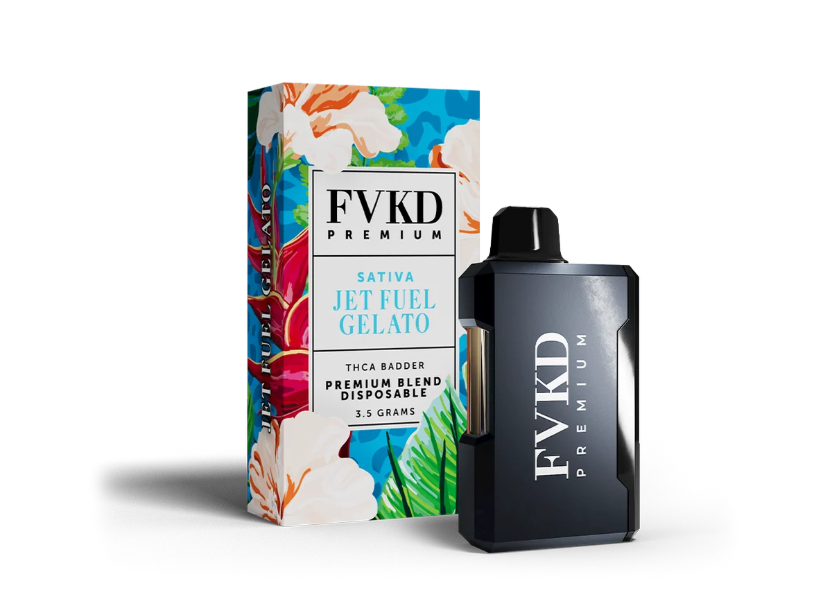
Labels help connect a brand’s marketing presentation with information that consumers can verify. A product description may communicate a flavor profile or intended identity, but the label and supporting documentation should provide more concrete details.
For cannabis-derived products, relevant information may include cannabinoid concentrations, ingredients, manufacturer details, batch identification, and warnings. Depending on the product and jurisdiction, laboratory documentation may also be available.
Understanding Laboratory Reports
A certificate of analysis can provide information about the specific substances tested in a sample. Its usefulness depends on whether the laboratory is credible, the report corresponds to the product’s batch, and the testing covers relevant characteristics.
For example, certain testing panels may measure cannabinoids or screen for selected contaminants. Not every report covers every possible concern, so consumers should review the actual results rather than relying on a general claim that a product has been tested.
Testing also has limits. A favorable laboratory result does not prove that inhaling a product is harmless or eliminate every potential health risk.
Brand Messaging Versus Verifiable Claims
Brand messaging is designed to communicate identity and distinguish products from competing options. Flavor descriptions, distinctive names, and polished packaging can all contribute to recognition.
However, descriptive language should not be confused with scientific evidence. A name suggesting fruit, candy, dessert, or a particular cannabis strain does not establish a product’s exact ingredients, terpene concentrations, or effects.
When reviewing the fvkd exotics company, consumers should distinguish between statements about brand presentation and claims that require supporting evidence.
For example, a description of an intended flavor profile is different from a measurable claim about cannabinoid concentration. The first is primarily sensory, while the second should be supported by appropriate product information or laboratory testing.
This distinction encourages a more balanced assessment of brand communications without dismissing the role of creative naming or product design.
What Consumers Should Compare Before Purchasing
Consumers should evaluate each product using consistent criteria rather than relying on packaging or promotional claims.
| Evaluation factor | Questions to consider |
| Ingredients | Are ingredients clearly identified? |
| Cannabinoid content | Are concentrations disclosed and supported? |
| Testing | Is credible, batch-specific documentation available? |
| Device specifications | Are operating and charging instructions clear? |
| Warnings | Are risks and storage precautions explained? |
| Legal compliance | Is the product permitted in the intended market? |
| Disposal | Are proper disposal instructions provided? |
Missing information may warrant contacting the manufacturer or seller. Products from the same brand can differ in formulation and specifications, so assess each item individually.
Responsible Communication and Consumer Safety
Responsible brand communication should provide clear information without exaggerating product benefits. Marketing claims cannot establish that a product prevents, treats, or cures medical conditions.
Vaping and cannabinoid products may carry health risks. Nicotine can cause dependence, while intoxicating cannabinoids may impair coordination, attention, memory, and judgment.
Follow local laws and product instructions, keep products away from children and pets, and avoid devices with damaged batteries, leaks, or unusual overheating. Dispose of batteries and electronic waste according to local requirements.
People who are pregnant or breastfeeding, have relevant medical conditions, or take medications that may interact with cannabinoids should consult a qualified healthcare professional before considering these products.
Conclusion
Brand recognition does not guarantee quality or safety. Evaluate FVKD Exotics using clear labeling, verifiable product information, relevant laboratory testing, and applicable regulations. Comparing documented details and recognizing the limits of marketing claims supports more informed decisions and responsible handling.
Disclaimer: This article is for general informational purposes only and does not constitute medical, legal, or purchasing advice. Vaping and cannabinoid products may carry health risks. Product availability, ingredients, and legal requirements vary by jurisdiction. Verify product claims through reliable documentation and consult a qualified healthcare professional about individual health concerns.