
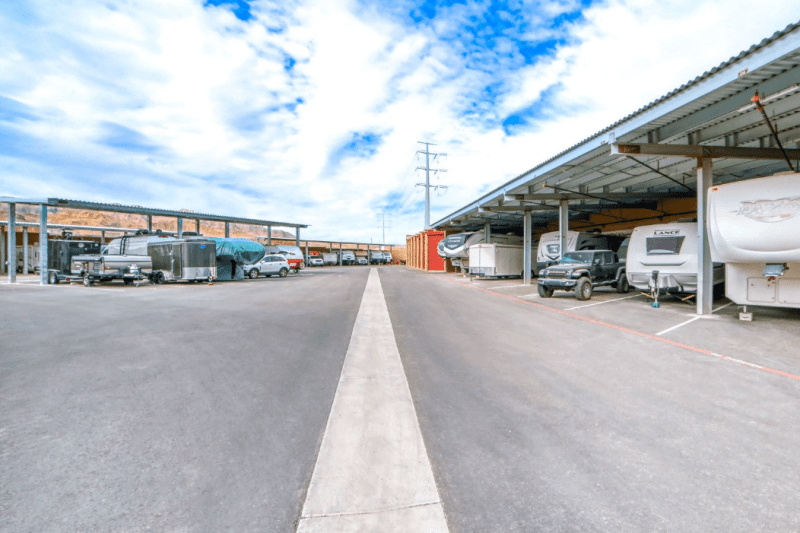
Owning an RV in Las Vegas comes with a very specific problem, since most driveways and garages simply were not built to fit one. That gap is exactly why so many owners turn to dedicated RV storage Las Vegas facilities rather than trying to squeeze a motorhome onto a residential street, where parking restrictions can turn into fines fairly quickly.
Choosing the right storage setup starts with understanding the size and type of vehicle involved. A pop-up camper has very different needs than a forty-foot Class A motorhome, and facilities typically offer a range of spot sizes to match. It also helps to think ahead about how the RV will be used, since anyone planning frequent trips through nearby national parks and public lands will want a storage spot that allows quick, easy access rather than one buried behind rows of other vehicles.
Covered versus uncovered storage is one of the bigger decisions RV owners face. Uncovered spots are generally cheaper and still offer solid security, while covered or enclosed options add another layer of protection against sun damage and debris. Given how intense desert sun can be on an RV exterior and interior over time, many owners find the added protection worth the extra monthly cost, especially for vehicles they plan to keep long term.
Maintenance does not stop just because a vehicle is parked. Batteries need occasional charging, tires benefit from being checked for proper pressure, and interiors should be aired out now and then to prevent musty smells from building up. Learning a bit more about general recreational vehicle care and maintenance can help owners avoid starting off a road trip with a vehicle that has been sitting unused for months.
Accessibility around the facility itself matters more than people expect until they are trying to maneuver a large vehicle through a tight lot. Wide drive aisles, pull-through spots, and enough turning room make a noticeable difference, especially for larger rigs or anyone still getting comfortable driving something that size.
Security features worth checking for include gated entry, on-site cameras, and enough lighting to make late night arrivals or early-morning departures easy and safe. Since RVs represent a significant investment, these features are not optional extras but genuine requirements for peace of mind.
Whether the plan is weekend camping trips or cross-country travel, having a reliable place to store an RV between adventures makes ownership far less stressful. Taking time to compare a few facilities based on size options, coverage, and accessibility will make it much easier to find a spot that actually fits both the vehicle and the way it gets used.