
Fly fishing looks deceptively simple when you watch experts cast gracefully across mountain streams. The reality hits quickly when beginners try themselves—tangled lines, frustrated fish, and missed opportunities abound. That’s where guided fly fishing transforms the experience from frustrating struggle into genuine success. Professional guides accelerate your learning curve dramatically, turning confusion into confidence while putting you on fish that would otherwise remain elusive mysteries.
The casting instruction alone justifies hiring guides for newcomers. Proper casting technique involves timing, rhythm, and mechanics that feel counterintuitive initially. Guides watch your form, identify specific problems, and provide corrections that click immediately. They teach you to feel the rod loading, time the forward cast, and present flies delicately. What might take months of solo practice happens in hours with expert coaching. This foundation prevents bad habits that plague self-taught anglers for years.
Fly selection overwhelms beginners facing walls of tiny imitations in fly shops. Should you use nymphs, dry flies, streamers, or emergers? What sizes and colors match current hatches? Guides eliminate this guesswork completely. They know what insects are active, which patterns fish are eating, and how to rig your setup for maximum effectiveness. This knowledge comes from daily time on the water, tracking hatches throughout seasons, and years of observation that books simply can’t teach.
Reading water separates successful anglers from those who cast randomly hoping for luck. Where do trout actually hold in rivers? How do currents affect fly presentation? Which seemingly perfect spots are actually barren? Guides teach you to identify productive water by recognizing depth changes, current seams, underwater structure, and food delivery lanes. Learning stream habitat dynamics provides scientific context for these observations.
Presentation techniques determine whether fish eat or ignore your offerings. Drag-free drifts require mending skills that feel awkward initially. Guides demonstrate proper mending, explain when and why to use different techniques, and help you develop the line control that puts flies naturally in front of fish. They show you how to approach different water types—pools, riffles, runs, and pocket water each demand specific presentations.
Local knowledge provides tremendous advantages. Guides know which stretches produce best during different times of day. They understand how weather affects fishing and adjust accordingly. They recognize seasonal patterns that dictate fish location and behavior. They have backup spots when primary locations get crowded or conditions change. This accumulated wisdom would take you seasons to develop independently.
Equipment recommendations prevent costly mistakes. Beginning fly fishers often buy inappropriate gear based on marketing rather than actual needs. Guides help you understand what equipment truly matters versus what’s just flashy. They can loan you quality gear to try before you invest, saving money on purchases that end up unused. Understanding proper equipment for your target species and fishing style makes the sport more enjoyable and successful.
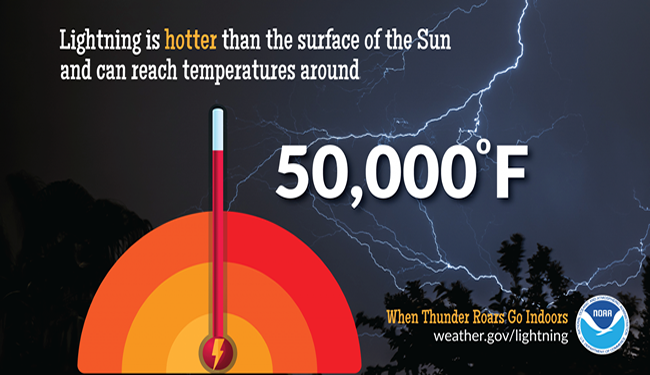
Safety awareness keeps anglers out of trouble. Wading rivers presents real dangers—swift currents, slippery rocks, sudden drop-offs, and changing water levels. Guides teach safe wading techniques, identify hazardous areas, and keep you within your skill level. They monitor weather conditions and know when lightning risk requires leaving the water. Their vigilance prevents accidents that ruin trips or worse. Following outdoor safety protocols demonstrates proper risk awareness.
Confidence building happens naturally with guided trips. Landing fish under expert instruction creates positive experiences that build enthusiasm. Guides celebrate your successes genuinely, making each catch feel like an achievement. They help you work through mistakes without judgment, maintaining the fun that keeps people engaged with this challenging sport. This supportive environment encourages continued learning rather than discouraging frustration.
Photography opportunities get better with guides who know scenic spots and can capture your successful moments. They position you in beautiful settings, help with fish handling for photos, and often snap pictures so everyone in your group appears in memories. These images document your adventure and progress as an angler.
Conservation ethics get taught through guided experiences. Proper catch-and-release handling, respecting private property, following regulations, and understanding trout ecology create responsible anglers. Guides model these values, explaining why they matter for sustaining fisheries. This education creates stewards who protect resources for future generations.
Whether you’re completely new to fly fishing or looking to improve specific skills, professional guides provide immeasurable value. The combination of instruction, local knowledge, and streamlined learning creates experiences that hook people on this rewarding pursuit for life.