
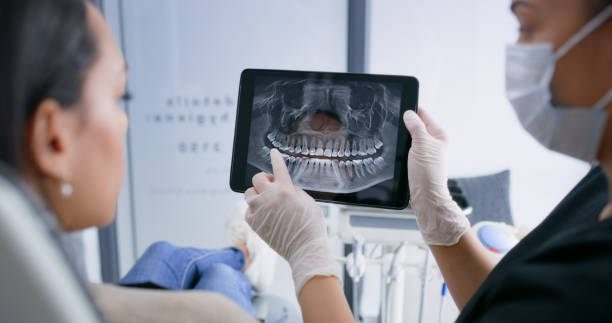
When people hear the phrase “pediatric dental services,” most picture a quick cleaning and maybe a cavity check, but there’s usually a lot more happening behind the scenes. Comprehensive pediatric dental services typically cover everything from growth and development monitoring to early orthodontic screening, sealants, and guidance on habits like thumb sucking that parents often don’t know when to worry about.
Development tracking is one of the more overlooked parts of this kind of care. A pediatric dentist watches how a child’s jaw and bite are forming over time, which means they can flag issues like crowding or a misaligned bite years before a child would ever need braces. Catching those patterns early often means simpler, less invasive treatment down the road instead of a bigger intervention later.
Research from groups like the leading craniofacial research institute continues to show just how connected oral health is to a child’s broader well-being, influencing everything from how comfortably they eat to how confidently they speak in front of a classroom. That connection is part of why comprehensive pediatric dental care looks at the whole picture rather than just checking teeth off a list.
Preventive treatments make up another big piece of the puzzle. Sealants, for example, coat the deep grooves in back teeth where food and bacteria love to hide, and they can dramatically cut down on cavities in those hard-to-reach spots. Fluoride treatments work alongside good brushing habits at home to strengthen enamel while it’s still developing, which matters most during the exact years most kids are in a pediatric dental practice.
Parent education tends to be woven into nearly every visit too, even if it doesn’t always feel like a formal lesson. A quick conversation about diet, a demonstration of proper flossing for little hands, or advice on managing a pacifier habit as a child gets older—these small moments add up over time. A reliable parent health resource can be a useful place to revisit that guidance between appointments, especially during the toddler years when habits are still being formed.
Emergency care is also part of the picture, since kids fall, chip teeth, and occasionally knock one out entirely during totally ordinary play. Knowing that a pediatric dental practice can handle those moments calmly, without treating a scared child like just another patient on the schedule, gives parents one less thing to stress about.
Taken together, pediatric dental services are really about building a foundation, not just fixing problems as they show up. A practice that thinks in terms of years rather than single visits tends to catch far more than one focused only on the appointment in front of them.