
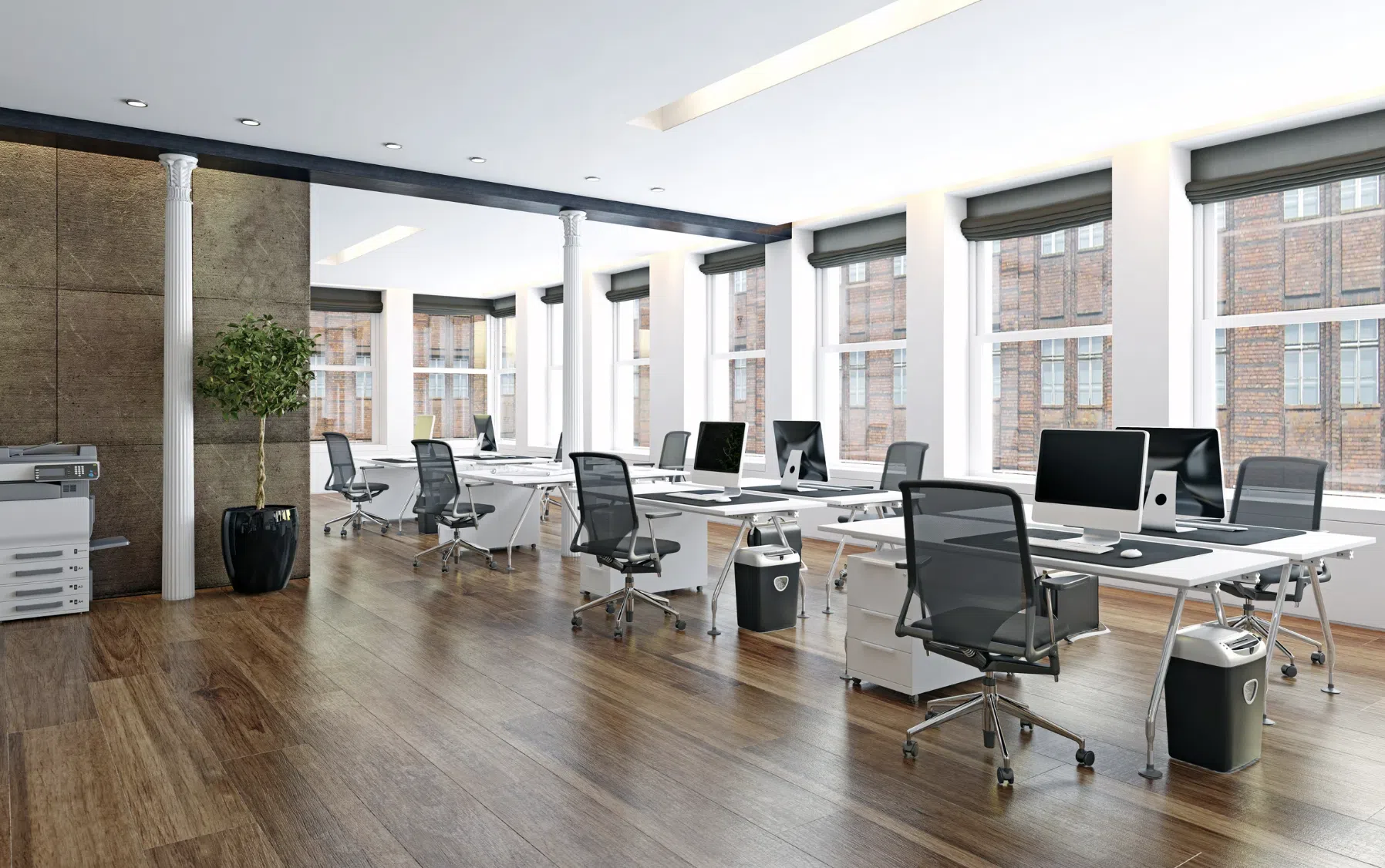
Few pieces of office furniture affect daily comfort as directly as the chair employees sit in for hours at a time. A poorly designed chair can lead to back pain, neck strain, and general fatigue that quietly chips away at productivity, even when nobody is complaining loudly about it.
Businesses searching for ergonomic office chairs Salt Lake City employees will actually want to sit in are often surprised by how much variation exists between budget models and properly engineered ergonomic seating. The difference is not just marketing language. Genuine ergonomic chairs include adjustable lumbar support, seat depth control, and armrests that move to fit different body types, all of which matter enormously over an eight-hour workday.
Posture is where most of the real benefit comes from. Sitting in a chair that forces an unnatural spine position for hours at a time contributes to chronic discomfort over months and years, not just occasional soreness. For companies wanting a deeper understanding of why this matters, trusted medical guidance on posture and comfort breaks down exactly how chair design affects the body over long periods of seated work. A properly fitted ergonomic chair supports the natural curve of the spine, which reduces strain and helps employees stay comfortable and focused for longer stretches of the day.
Adjustability matters just as much as initial design, since no single chair setting works for every body type. Height, tilt tension, armrest position, and lumbar depth should all be easy to modify so each employee can fine-tune their own seat rather than settling for a generic default that only works reasonably well for an average build.
Longevity is another consideration worth weighing carefully. Cheaper chairs often look similar to higher-quality options at first glance, but the internal mechanisms, foam density, and frame construction tend to wear out far faster. Investing in a well-built ergonomic chair usually costs less over time than repeatedly replacing budget models that break down within a year or two.
Employee satisfaction tends to improve noticeably once proper seating is in place, even though it rarely gets mentioned directly in feedback surveys. People simply feel better throughout the day, and that steady sense of physical comfort translates into fewer complaints, less absenteeism related to back pain, and a general sense that the company actually cares about their daily experience at work.
Sustainability can factor into this decision too, since choosing well-built chairs designed to last reduces how often furniture needs replacing. For businesses interested in how that fits into broader environmental goals, proven strategies for sustainable material use offer useful context on why durability and longevity matter beyond just the immediate cost savings. Choosing the right ergonomic chair is ultimately an investment in the people who show up every day, and it consistently pays off through better comfort, fewer health complaints, and a workspace that genuinely supports the team using it.