
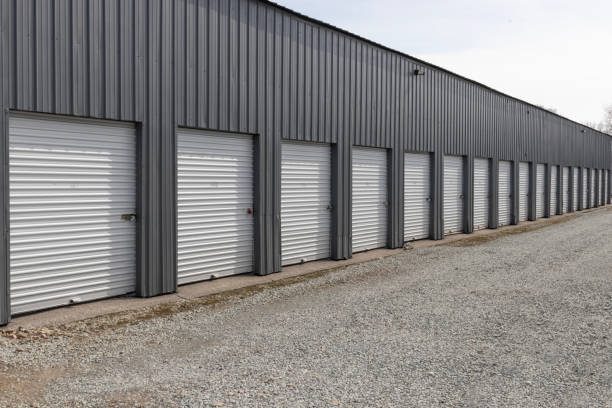
Inherited antiques often carry value that goes far beyond their price tag. Older wood, delicate finishes, fragile glass, paper, fabric, and metal can react badly to moisture, pressure, dirt, or poor handling during a move. Careful packing gives climate controlled storage a better chance to protect pieces that may be difficult or impossible to replace.
Clean Each Antique According to Its Material
Dust and surface residue should be removed before an antique is wrapped because grime can settle into finishes during long storage periods. Wooden furniture usually needs a soft cloth and a cleaner suited to its finish rather than harsh household sprays. Metal objects may require a dry wipe or material-specific treatment, while ceramics and glass should be completely free of moisture before packing.
Avoid applying unfamiliar polishes, oils, or conditioners just before move-in. Certain products can soften an old finish, react with previous treatments, or leave residue beneath a cover. Conservator advice is worth considering for valuable pieces with flaking paint, unstable veneer, old gilding, loose decorative work, or unknown coatings.
Give Cleaned Pieces Enough Time to Dry
Moisture trapped beneath blankets or inside drawers can create odors, staining, corrosion, or mildew even in climate controlled storage. Freshly cleaned upholstery, wood, and textiles may feel dry on the surface while seams, joints, or padding still hold moisture. Allowing extra drying time before packing is safer than sealing an item immediately after cleaning. Open drawers and cabinet doors can help hidden areas air out before the piece is covered for self storage.
Choose Wrapping That Will Not Harm Old Surfaces
Breathable cotton sheets, clean moving blankets, acid-free tissue, and other nonabrasive materials can protect antiques from dust and light contact. Bubble wrap can add cushioning around certain hard objects, but it should not press directly against delicate paint, polished wood, leather, or surfaces that could stick to plastic over time. Using a soft barrier between the antique and outer padding reduces that risk.
Plastic stretch wrap is useful for securing protective layers during transportation, yet tightly wrapping an entire piece for months may trap moisture. Glassine or archival tissue is often a better first layer for artwork, prints, and other sensitive surfaces. Renters comparing storage units near me should prepare each antique according to its materials instead of using the same wrapping method for everything.
Disassemble Furniture Only Where the Construction Allows
Large antique tables, bedsteads, wardrobes, and desks may become easier to move when genuinely removable parts are taken off. Original joints can be fragile, however, and forcing an old component apart may cause more damage than storing the furniture assembled. Hardware should be placed in labeled bags and kept with the matching item rather than dropped into a general moving box. Photographs taken before disassembly can also preserve the original placement of brackets, hinges, and small fittings for later reassembly.
Support Fragile Pieces Instead of Stacking Around Them
Valuable furniture should not carry the weight of unrelated boxes simply because it has a flat surface. Heavy cartons can bow a tabletop, weaken a chair seat, dent upholstery, or strain old joints over several months. Stable shelving is a safer place for dense books, dishes, records, and tools.
Mirrors, framed artwork, and glass panels usually need upright support with padding between pieces. Corners deserve extra protection because small impacts can crack frames or loosen decorative details. Inside self storage units, leaving a little open space around fragile pieces also makes inspections possible without dragging other belongings across them. Floor contact should be limited where practical by using clean risers or suitable supports that do not concentrate weight on delicate legs.

Use Archival Materials for Paper, Textiles, and Small Collectibles
Letters, photographs, maps, books, vintage clothing, and fabric heirlooms need packaging that does not introduce damaging acids or trap moisture. Acid-free folders, archival boxes, unbuffered tissue where appropriate, and breathable textile covers can provide better long-term protection than ordinary newspaper or grocery cartons. Folded fabrics may need tissue between layers to reduce sharp creases. Small collectibles should be wrapped individually so hard surfaces do not rub together during transport, while compartments or padded boxes can keep figurines, glassware, ornaments, and decorative metal pieces from shifting. Controlled conditions help moderate environmental swings, but archival packing still protects against pressure, abrasion, and contact between materials.
Plan the Unit Around Inspection and Long-Term Protection
Even well-packed antiques can be damaged by a poor storage layout. Furniture should sit on stable supports where appropriate, boxes should remain off delicate surfaces, and aisles should stay open enough for regular checks. Labels should identify fragile contents without requiring renters to unwrap or move valuable pieces just to find out what they are. Periodic visits can catch slipped covers, softened cartons, leaning frames, or pressure from neighboring items before the problem becomes harder to correct.
Storage Partner’s climate controlled storage can be a worthwhile option for specialty antiques, artwork, heirlooms, documents, collectibles, and other items that may react to heat or humidity changes. A steadier environment can help limit risks such as warping, cracking, fading, corrosion, and moisture-related damage, especially during longer storage periods. Customers can compare available unit sizes and features to find enough space for delicate pieces to remain properly packed, separated from heavier belongings, and easier to inspect over time.